

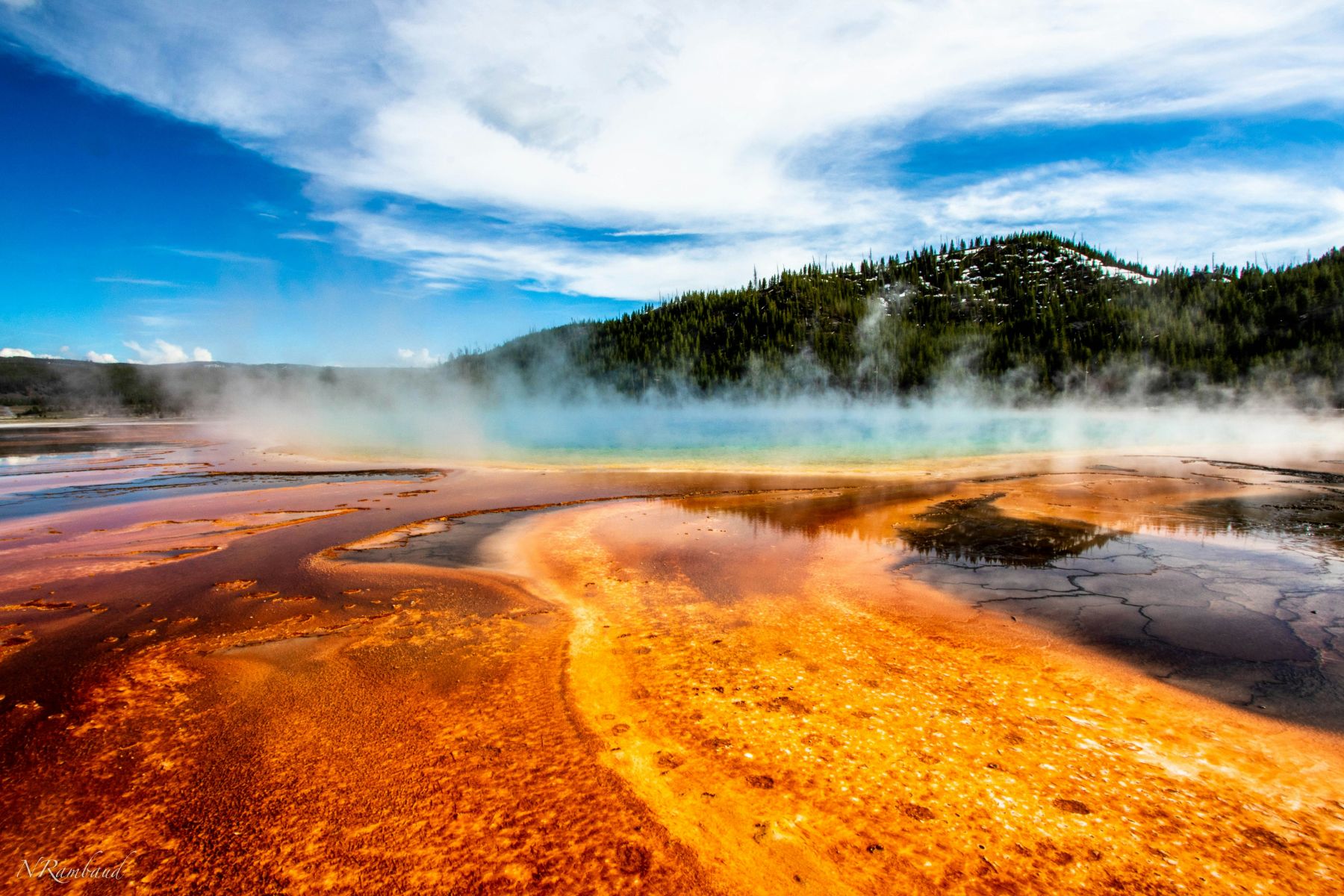
Yellowstone National Park, famous for its geothermal features like Old Faithful and its breathtaking landscapes, has recently unveiled something that has both intrigued and concerned visitors and scientists alike: a new volcanic vent. This steamy, hot opening in the earth’s crust has sparked renewed interest in the park’s geothermal activity, but what does it actually mean? And, most importantly, can visitors safely see it for themselves?
What’s Happening at Yellowstone?
A new hydrothermal vent, which scientists are calling a “volcanic vent,” has emerged in one of the park’s most active geothermal areas. Hydrothermal features like geysers, hot springs, and fumaroles (steam vents) are common in this region due to the vast underlying Yellowstone supervolcano. This newly formed vent is releasing an impressive amount of steam, accompanied by some very hot temperatures—surprising even the scientists who monitor the park’s activity.
But why is this vent drawing attention now? It’s because it marks a change in the behavior of the geothermal features within the park. The appearance of new vents signals that the underground magma reservoir is still active and that Yellowstone’s geothermal system continues to evolve. While not entirely unexpected (volcanic activity and geothermal events are ongoing in the park), it does highlight the dynamic nature of the park’s volcanic system.
Is Yellowstone’s Volcano Dangerous?
Yellowstone has long been an object of fascination, especially when it comes to its supervolcano. But despite the frequent headlines suggesting imminent eruption, scientists emphasize that there’s no immediate threat to visitors or nearby communities. The volcano itself is not “about to erupt” anytime soon—geologically speaking, the park’s supervolcano erupts on an extremely slow timescale. The last eruption was over 640,000 years ago.
While this new vent may raise eyebrows, it’s essential to understand that it’s part of the normal geothermal activity in the park. The vent likely results from increased pressure in the underground system, which can happen due to a variety of factors, including earthquakes, seasonal changes, or shifts in the region’s geothermal system. The U.S. Geological Survey (USGS) has emphasized that while the activity is noteworthy, there is no sign of an impending eruption.
Can You Visit the New Volcanic Vent?
So, if you’re planning a trip to Yellowstone, the big question is—can you see this new vent? The short answer is yes, but with caution. Yellowstone’s geothermal features are notoriously unpredictable, with temperatures reaching dangerous levels that can cause serious injuries. Visitors should always stick to marked paths, stay behind safety barriers, and never touch the hot springs or vents. The area around Norris Geyser Basin, where the new vent has opened, remains accessible to the public, but caution is key.
The park’s rangers have issued safety guidelines and recommendations for those exploring the geothermal zones. If you’re venturing to the Norris Geyser Basin or other hot spring areas, take time to read the park’s safety information and pay attention to any closures or warnings. In addition, remember that the area’s sulfuric steam can create foul odors, which is simply part of the natural geothermal process—nothing to worry about, but definitely something to keep in mind during your visit.
What This Means for Yellowstone
The emergence of a new volcanic vent in Yellowstone is a fascinating reminder of the park’s ongoing geological evolution. While there’s no immediate cause for alarm, it does prompt further interest in monitoring the park’s geothermal system, especially with increasing visitation in recent years. For scientists, this vent offers another opportunity to study the movements beneath the surface and to better understand the forces at play in one of the world’s most active volcanic regions.
For visitors, it serves as a thrilling reminder of the natural power beneath their feet. The park continues to offer one-of-a-kind experiences, with its mix of beauty and potential danger, but always in a controlled, safe environment.