

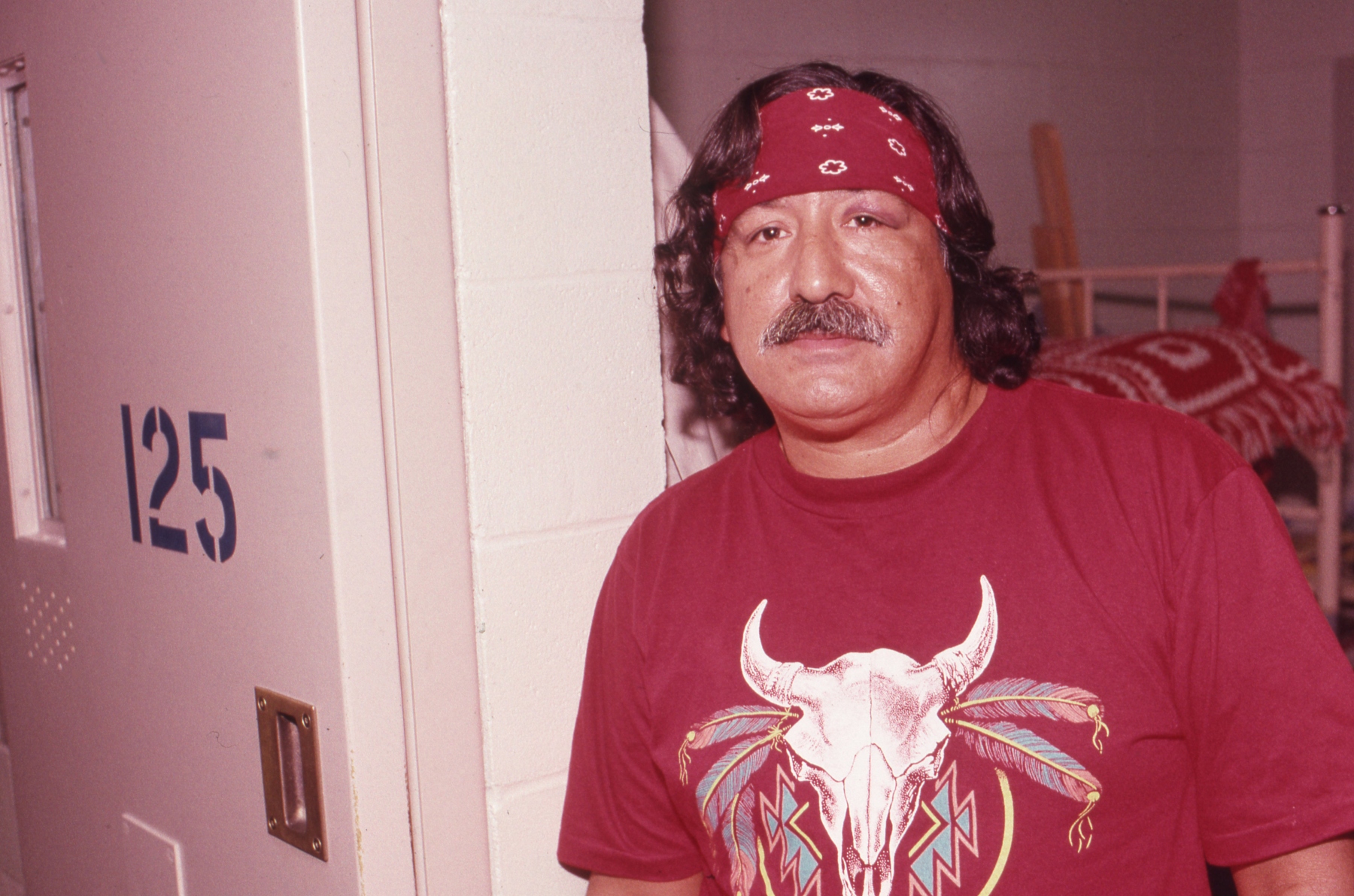
In a significant and controversial decision on his final day in office, President Joe Biden commuted the life sentence of Leonard Peltier, an Indigenous activist convicted in 1977 for the 1975 killings of two FBI agents during a confrontation on the Pine Ridge Indian Reservation in South Dakota. Peltier, now 80 years old and in declining health, will transition to home confinement, marking a pivotal moment in a case that has long been a focal point for human rights advocates, as the Associated Press reports.
Background and Conviction
Leonard Peltier, a member of the American Indian Movement (AIM), was implicated in a June 26, 1975, shootout that resulted in the deaths of FBI agents Jack Coler and Ronald Williams. The incident occurred amid heightened tensions between federal authorities and AIM members, who were advocating for Indigenous rights and protesting systemic injustices. Peltier fled to Canada following the incident but was extradited to the United States in 1976. In 1977, he was convicted of two counts of first-degree murder and received two consecutive life sentences. Throughout his imprisonment, Peltier has maintained his innocence, asserting that his conviction was the result of a flawed legal process, including allegations of fabricated evidence and coerced testimonies.
Advocacy and Calls for Clemency
Over the decades, Peltier’s case has garnered international attention, with numerous human rights organizations and public figures advocating for his release. Amnesty International designated him a political prisoner, and notable individuals such as Nelson Mandela, the Dalai Lama, and Pope Francis have called for his clemency. Supporters argue that Peltier’s trial was marred by prosecutorial misconduct and that his continued imprisonment symbolizes the historical mistreatment of Native Americans by the U.S. government.
President Biden’s Decision
President Biden’s decision to commute Peltier’s sentence to home confinement reflects a response to these longstanding appeals for justice.
“Tribal Nations, Nobel Peace laureates, former law enforcement officials (including the former U.S. Attorney whose office oversaw Mr. Peltier’s prosecution and appeal), dozens of lawmakers, and human rights organizations strongly support granting Mr. Peltier clemency, citing his advanced age, illnesses, his close ties to and leadership in the Native American community, and the substantial length of time he has already spent in prison,” Biden said in a statement, according to MPR News.
Reactions to the Commutation
The commutation has elicited mixed reactions. Advocates for Peltier’s release have expressed relief and gratitude, viewing the decision as a step toward rectifying a historical injustice. Conversely, law enforcement agencies, including the FBI Agents Association, have condemned the move, considering it a betrayal to the families of the slain agents and a disregard for the rule of law. Former FBI Director Christopher Wray stated:
Outgoing FBI Director Christopher Wray told the White House that commuting Peltier’s sentence “would be shattering to the victims’ loved ones and undermine the principles of justice and accountability that our government should represent,” according to NPR.
Implications and Next Steps
Peltier is expected to be released from federal custody by February 18, 2025, and will reside under home confinement. His family and supporters are preparing for his transition, emphasizing the need for medical care due to his deteriorating health. The commutation does not equate to a pardon; Peltier’s conviction remains intact, but he will serve the remainder of his sentence outside of prison.
This decision adds to President Biden’s extensive use of clemency powers during his tenure. Notably, he has issued more individual pardons and commutations than any other president, including the commutation of sentences for 37 federal death row inmates and over 1,500 non-violent drug offenders. These actions align with his administration’s focus on criminal justice reform and addressing systemic inequities.
The commutation of Leonard Peltier’s sentence marks a significant moment in the ongoing discourse surrounding justice, reconciliation, and the treatment of Indigenous peoples in the United States. As Peltier transitions to home confinement, the nation reflects on the broader implications of his case and the enduring need to address historical grievances.