

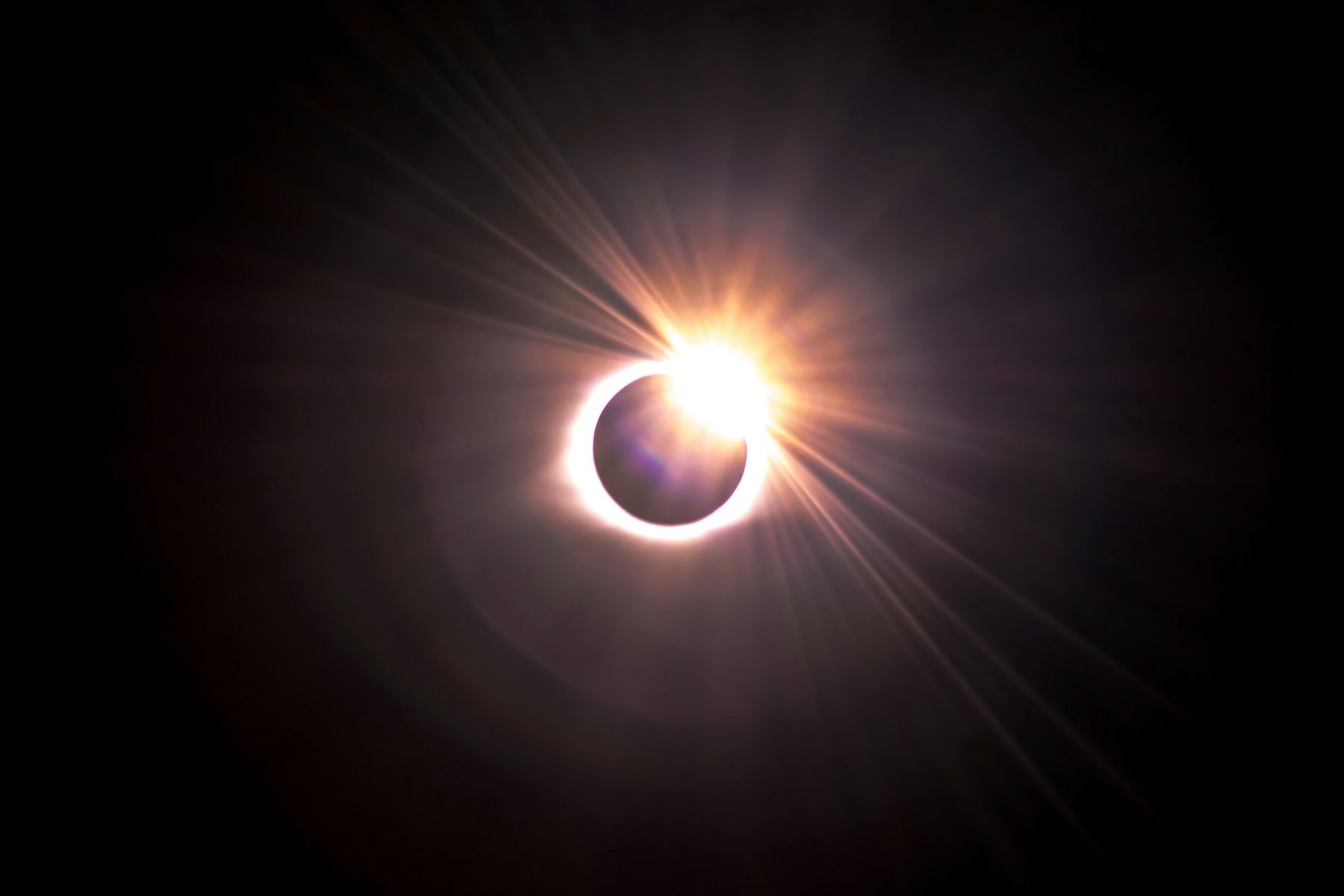
March 2025 is bringing an exciting celestial event for skywatchers—the partial solar eclipse. Whether you’re a seasoned stargazer or someone just getting into astronomy, this is an event you won’t want to miss. But what exactly can we expect from the March 2025 solar eclipse, and how can you safely enjoy it? Let’s dive into the details.
What Is a Partial Solar Eclipse?
A solar eclipse occurs when the moon passes between the Earth and the Sun, blocking out the Sun’s light. In a partial solar eclipse, the moon doesn’t completely cover the Sun but instead casts a shadow that obscures a portion of it. Depending on where you are, you might see anywhere from a small bite to a larger chunk taken out of the Sun.
In March 2025, this will happen on March 29, with the event lasting for several hours. The timing and visibility vary by location, but if you’re in the right spot, it will be a spectacular sight. According to NASA, this partial eclipse will be visible across parts of North America, Europe, and northern Africa, though the experience will differ depending on where you are.
When and Where Can You See It?
The eclipse will begin at 10:30 AM UTC and peak at around 12:10 PM UTC. It will end by 1:30 PM UTC, but again, the exact timing will differ based on your location. In the United States, cities along the northeastern coast, including Connecticut, will have a great view, with the eclipse starting just after sunrise and reaching its peak in the late morning hours.
If you’re in Europe, especially in Scandinavia or parts of the UK, you’ll also get a clear view, though the eclipse will be more partial as you move south. The northernmost regions will experience the eclipse more fully, while places farther south will see only a slight shadow.
Why You Shouldn’t Miss It
While solar eclipses are rare, partial ones are even more so, making this March’s event special. It’s a chance to experience the magic of the cosmos without needing to wait for a full solar eclipse. You’ll get to witness the sun being obscured, which offers a truly unique spectacle. Plus, it’s an opportunity to capture some amazing photos (if done safely!).
How to Safely View the Eclipse
Looking at the Sun directly can be harmful to your eyes, even during a partial eclipse, so never attempt to watch it without proper eye protection. You’ll need eclipse glasses or a solar viewer to protect your vision. Regular sunglasses won’t cut it. If you don’t have eclipse glasses, consider using a pinhole projector or a solar filter to safely observe the event.
The American Astronomical Society (AAS) recommends purchasing certified eclipse glasses that meet international safety standards. Using these precautions ensures you can safely enjoy the eclipse without risking any damage to your eyes.
What’s Happening in the Sky?
The March 2025 solar eclipse coincides with a new moon, which adds to the excitement. A new moon happens when the moon is positioned between the Earth and Sun, making it the perfect setup for a solar eclipse. During this time, the moon casts its shadow on Earth, and a solar eclipse occurs when that shadow is cast over specific parts of the planet.
You may not get the full totality experience as you would with a total solar eclipse, but it still offers a rare glimpse of the cosmic dance between the Earth, Moon, and Sun. The experience can vary greatly, depending on your location. The more central you are to the path of the eclipse, the larger the portion of the Sun will be covered.
Final Thoughts: A Celestial Event Worth Watching
The March 2025 partial solar eclipse is an event worth marking on your calendar. Whether you’re a seasoned eclipse chaser or someone new to the phenomenon, it’s an opportunity to experience the wonders of the universe up close. Make sure to take safety precautions and get your eclipse glasses in advance, as they tend to sell out fast around eclipse time.
Remember, this is just one of many celestial events happening in 2025, but it’s a great way to start the year with a sense of awe and wonder. Keep your eyes on the sky—March 29 could be the day the Sun and Moon put on a show you’ll never forget!