

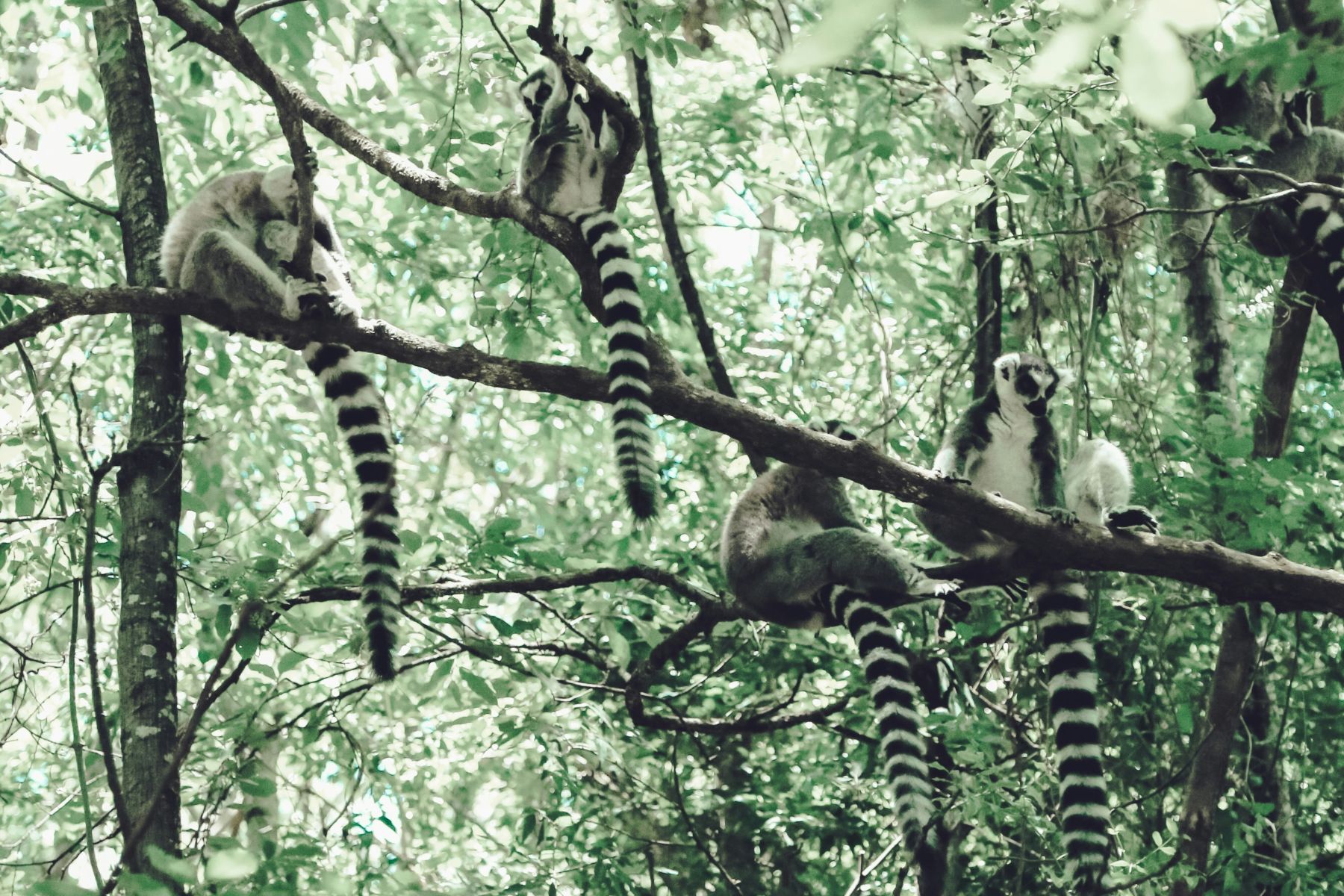
Madagascar’s lemurs, some of the world’s most unique creatures, are facing increasingly uncertain futures. Recent studies have shed new light on their behaviors, interactions with cyclones, and even their surprising vocalizations. With many species endangered, understanding their adaptation to challenges is key to conservation efforts. But why should we care? Let’s dive into the latest findings about lemurs and explore how we can make a difference.
Lemurs and Cyclones: Adapting to Nature’s Fury
Lemurs live in a volatile environment, regularly exposed to cyclones that batter Madagascar’s coast. While scientists once believed lemurs had evolved resilient behaviors to withstand these storms, recent research suggests this may not be the case. A study by Alison Behie and her colleagues found no direct correlation between the frequency of cyclones and lemur behavior. However, a surprising discovery was made: lemurs living in areas hit hardest by cyclones tend to be smaller in size. This could suggest that smaller lemur species are better suited to survive post-cyclone conditions, where food sources are scarce.
The Singing Young Lemurs: A Surprising Discovery
In a new twist on lemur behavior, researchers have found that young lemurs sing much like human children. These high-pitched calls are used primarily in social interactions, helping young lemurs bond with their families and warn others of predators. This discovery adds a fascinating layer to the understanding of lemur communication and social structures. These calls, while adorable, also highlight the importance of maintaining stable social groups, which are increasingly threatened by habitat loss and climate change.
Why Lemur Conservation Matters
Lemurs are a vital part of Madagascar’s biodiversity. They play an essential role in seed dispersal and pollination, helping to maintain the health of their ecosystem. Unfortunately, the majority of lemur species are critically endangered, mostly due to habitat loss. According to the Lemur Conservation Network, 103 out of 107 lemur species are listed as vulnerable or endangered by the International Union for Conservation of Nature (IUCN). Without these creatures, Madagascar’s forests could face even greater threats, from reduced plant diversity to a decline in ecosystem health.
How Can We Help?
While the challenges are steep, there are many ways individuals can support lemur conservation:
- Support Conservation Groups: Organizations like the Lemur Conservation Network offer direct ways to contribute to the protection of lemurs and their habitats.
- Educate and Advocate: Spread awareness about lemur conservation through social media and local outreach.
- Volunteer: Opportunities exist both in Madagascar and remotely to contribute time and resources to efforts that help protect lemurs.
- Reduce Carbon Footprint: Climate change exacerbates cyclones and other threats to lemur populations. Reducing our environmental impact can help mitigate some of these effects.
Final Thoughts
Lemurs are not just adorable, but they are essential to the ecosystems of Madagascar. The latest research on their behavior and resilience in the face of cyclones gives us crucial insights into their survival strategies. As we face growing environmental challenges, it’s more important than ever to support efforts that protect these unique creatures. The survival of lemurs—and the health of Madagascar’s ecosystems—depends on the collective efforts of people around the world.
For more information on how to help, check out the Lemur Conservation Network and explore how you can make a difference in these animals’ lives.