

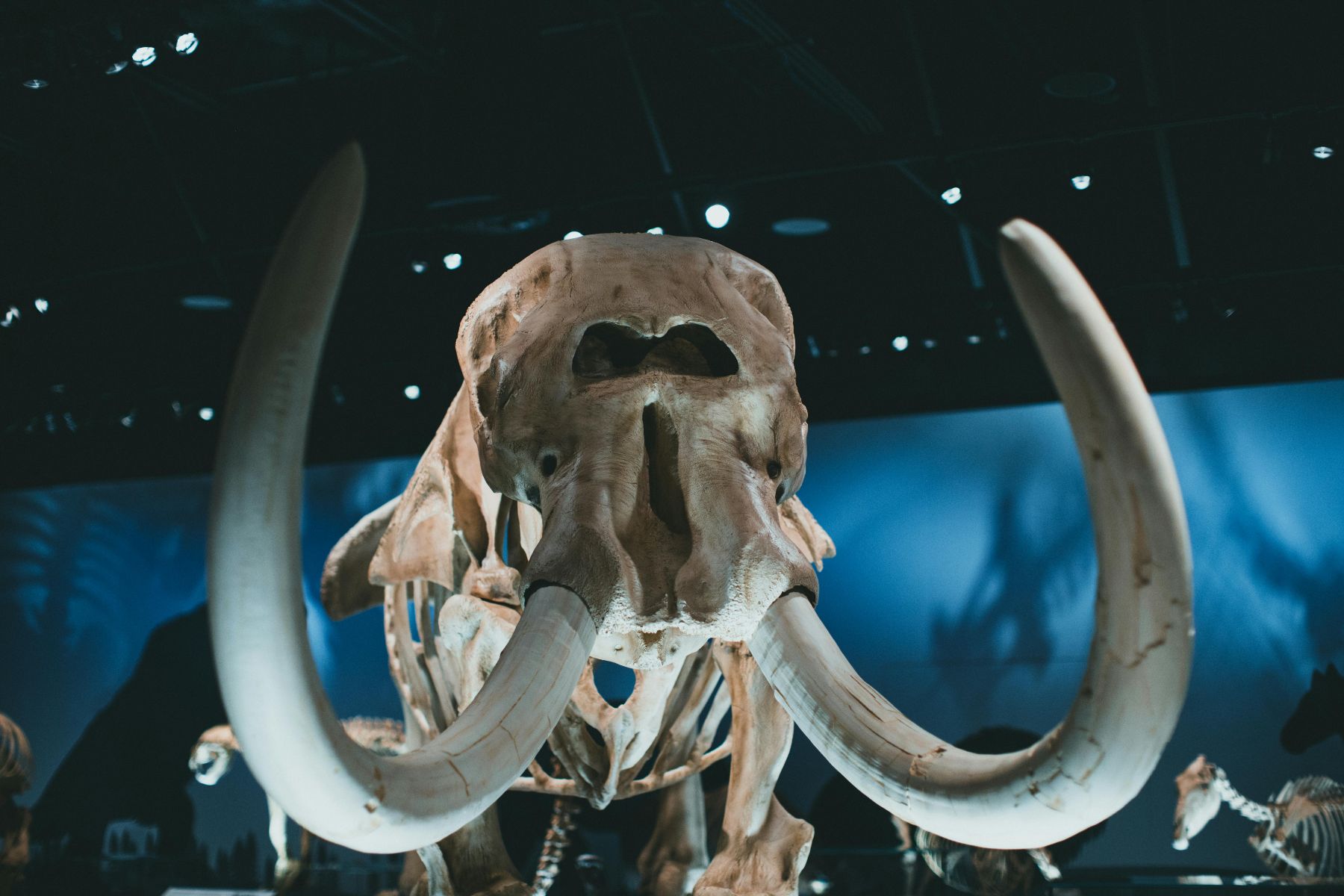
In a stunning discovery, a homeowner in New York’s Hudson Valley uncovered a well-preserved mastodon jaw while working in their backyard. The find, made near Scotchtown, New York, has sent waves through the scientific community, offering a glimpse into the region’s prehistoric past. The jaw, which is estimated to be thousands of years old, is believed to be from the extinct mammal, the mastodon, which roamed North America during the Pleistocene epoch.
How Was the Jaw Found?
The jaw was unearthed when the homeowner noticed two large teeth protruding from the ground while gardening. Realizing the potential significance, they contacted local experts. The homeowner, who wished to remain anonymous, said in a statement reported by Yahoo!, “When I found the teeth and examined them in my hands, I knew they were something special and decided to call in the experts.” They added, “I’m thrilled that our property has yielded such an important find for the scientific community.”
A team from the New York State Museum, along with researchers from SUNY Orange, quickly arrived on the scene to excavate the site. Alongside the jaw, the team found other bone fragments, including a toe bone and a rib fragment, further confirming the discovery’s importance.
Dr. Cory Harris, Chair of SUNY Orange’s Behavioral Sciences Department, emphasized the importance of the discovery in a statement reported by the BBC: “While the jaw is the star of the show, the additional toe and rib fragments offer valuable context and the potential for additional research. We are also hoping to further explore the immediate area to see if there are any additional bones that were preserved.”
Significance of the Discovery
Dr. Robert Feranec, the Director of Research and Collections at the New York State Museum, was involved in the excavation. He explained the significance of the discovery, telling CBS News, “This discovery is a testament to the rich paleontological history of New York and the ongoing efforts to understand its past. Fossils are resources that provide remarkable snapshots of the past, allowing us to not only reconstruct ancient ecosystems but also provide us with better context and understanding of the current world around us.”
Mastodons, often mistaken for elephants due to their similar size and features, were part of the prehistoric landscape of North America before going extinct about 10,000 years ago. These animals, with their long, curved tusks, were herbivores and adapted to cold climates, which they likely navigated using their large, flat teeth designed for grinding tough vegetation. The fossilized jaw found in the backyard is particularly noteworthy because it provides a glimpse into how these animals once lived in the region.
While mastodon remains are occasionally found across North America, this is the first such discovery in New York in over a decade. The fossil will now undergo further testing, including carbon dating, to determine its precise age and help researchers piece together the story of the mastodon’s existence in this region.
The discovery is also important for understanding the ecological conditions of the time, offering clues about the environment the mastodon inhabited and its interactions with other species. Dr. Feranec and his team plan to study the fossil in detail to learn more about the mastodon’s diet and its role in the prehistoric ecosystem.
Officials at the New York State Museum have confirmed that the fossil will eventually be put on public display, likely in 2025. This will provide an invaluable educational opportunity for the public to learn more about the ancient creatures that once roamed their backyard.
Paleontological History of the Hudson Valley Region
This astonishing find underscores the rich paleontological history of the Hudson Valley region, which has long been known for its prehistoric significance. As more fossils are discovered in the area, scientists continue to uncover the mysteries of a distant past, revealing how the landscape and ecosystems of New York have evolved over thousands of years.