

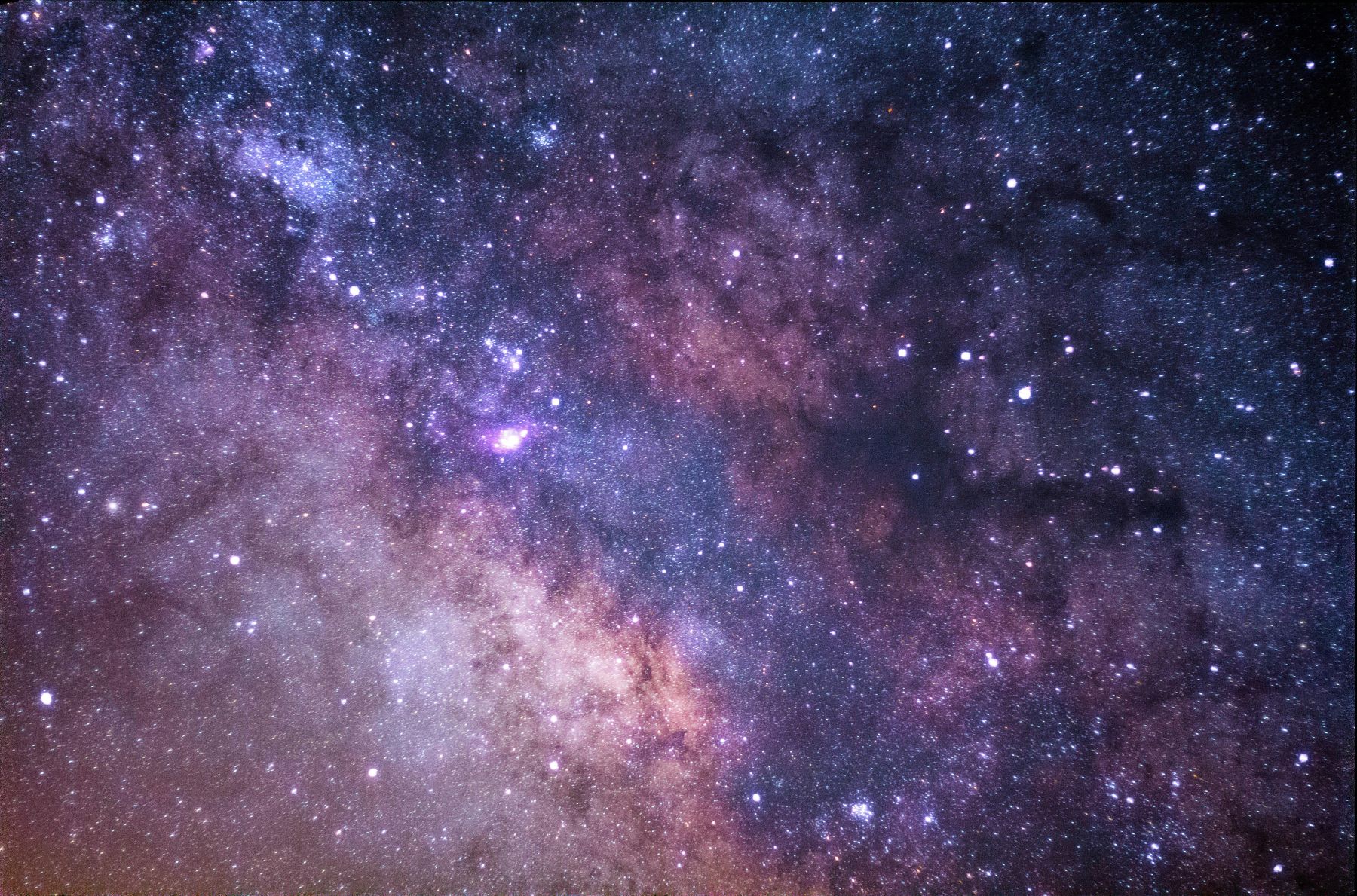
Starting on January 21, 2025, skywatchers across the globe began witnessing a rare celestial event as six planets—Venus, Mars, Jupiter, Saturn, Uranus, and Neptune—aligned in the night sky, offering a unique opportunity for both amateur and professional astronomers to observe this spectacular phenomenon.
The Planet Parade
The alignment is best observed shortly after sunset, with the planets appearing in a line across the sky, known as a “Planet Parade”. Venus and Saturn will be visible low in the western sky, while Mars and Jupiter will be positioned higher up. Uranus and Neptune, being farther from Earth, will require the use of telescopes or high-powered binoculars for clear observation. The event is expected to remain visible until mid to late February, although the exact alignment will shift over time.
Planetary alignments occur when planets align in the same region of the sky, creating a striking visual display. While such alignments are not uncommon, the current event is particularly notable due to the number of planets involved and the clarity with which they can be observed. Astronomers emphasize that these alignments provide valuable opportunities for public engagement with astronomy and can enhance our understanding of planetary positions and movements.
NASA explained in a list of January sky-watching tips, “These multiplanet viewing opportunities aren’t super rare, but they don’t happen every year, so it’s worth checking it out,” as reported by USA Today.
Optimal Viewing Tips
For optimal viewing, find a location away from city lights to reduce light pollution. Clear, dark skies are essential for the best experience. While Jupiter, Mars, Venus, and Saturn can be seen with the naked eye, observing Uranus and Neptune will require telescopes or high-powered binoculars. Local astronomy clubs and observatories may offer public viewing events, providing access to equipment and expert guidance.
Jenifer Millard, a science communicator and astronomer at Fifth Star Labs in the UK, shares, “There is something special about looking at the planets with your own eyes. Yes, you can go on Google and get a more spectacular view of all these planets. But when you’re looking at these objects, these are photons that have traveled millions or billions of miles through space to hit your retinas,” as reported by the BBC.
This planetary alignment has sparked interest among the public, with many taking to social media to share their observations and photographs. Educational institutions and science centers are also hosting events to capitalize on the public’s enthusiasm, aiming to foster a greater appreciation for astronomy and science.
The alignment of Venus, Mars, Jupiter, Saturn, Uranus, and Neptune presents a rare and captivating spectacle for skywatchers worldwide. Plus, according to CNet, this planetary parade is different from previous ones, as it will last longer due to the planets being positioned favorably in the sky. You can expect to see all six planets every night until the final week of February.