

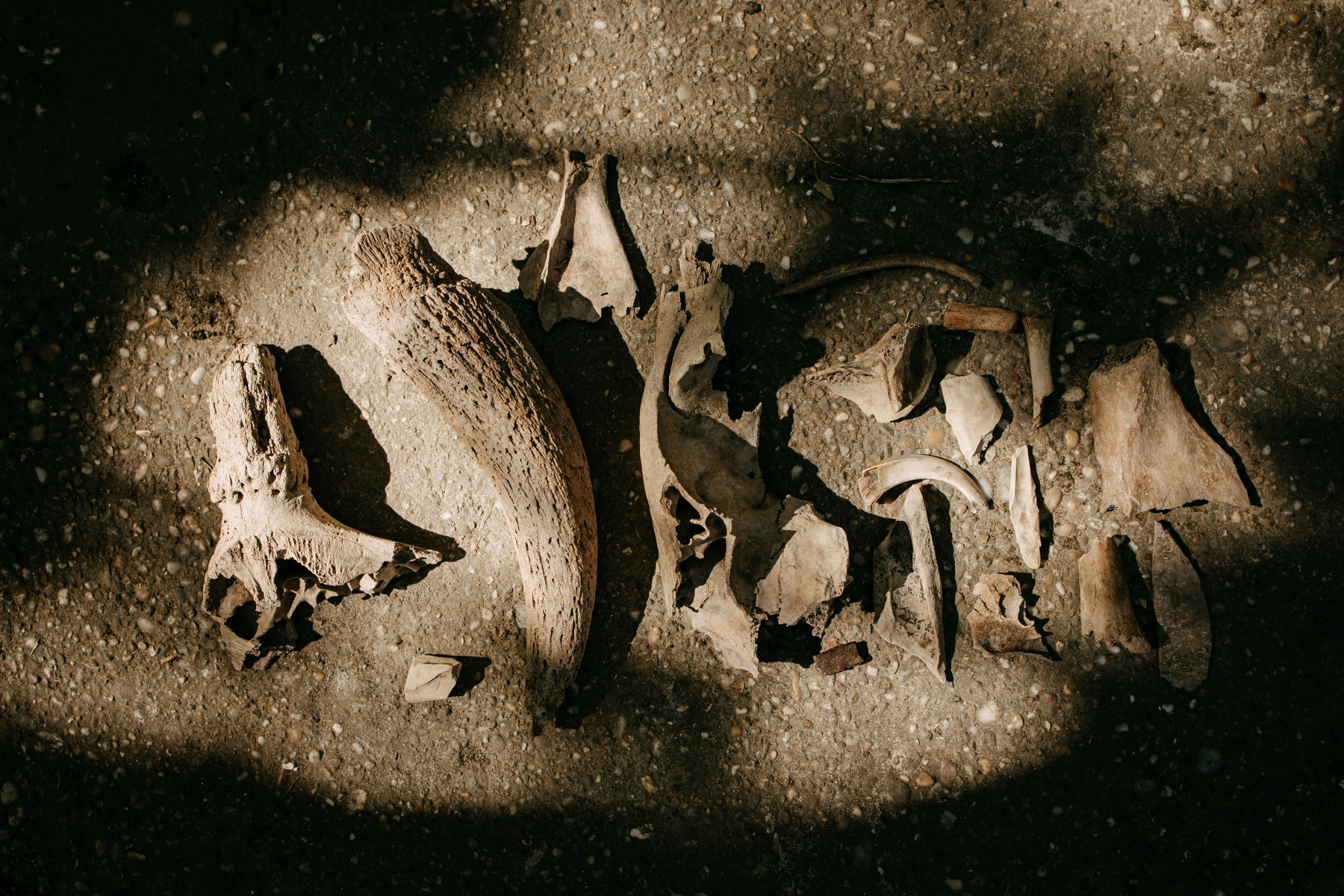
What if a single jawbone dredged from the ocean floor could rewrite our understanding of where we come from? That’s exactly what’s happening right now. Scientists recently confirmed that a mysterious fossil found off Taiwan’s coast belongs to a Denisovan—a long-lost cousin in the human family tree. And while it may not look like much, this ancient piece of bone is helping to answer some very modern questions about human origins, migration, and the resilience of our species.
The Discovery: From Seafloor to Science
The fossil, known as “Penghu 1,” was recovered by fishermen from the Penghu Channel off Taiwan’s coast and eventually donated to Taiwan’s National Museum of Natural Science. Initial attempts to extract DNA were unsuccessful due to degradation. However, researchers from Taiwan, Japan, and Denmark employed protein analysis techniques, successfully identifying the specimen as Denisovan. This marks the first confirmed Denisovan fossil found in Taiwan, expanding the known range of this elusive group.
Who Were the Denisovans?
Denisovans are an extinct group of archaic humans first identified from remains in Siberia’s Denisova Cave. They are known to have coexisted and interbred with Neanderthals and Homo sapiens. Despite their significance, Denisovan fossils are exceedingly rare, making each new discovery crucial for understanding their biology and distribution.
Significance of the Find
- Geographical Expansion: The Taiwan jawbone extends the known Denisovan range further into East Asia, suggesting they inhabited a broader area than previously thought.
- Adaptability: The presence of Denisovans in diverse environments—from Siberia’s cold to Taiwan’s subtropical climate—indicates a high level of adaptability.
- Morphological Insights: The robust jaw and large molars of the Penghu 1 specimen provide valuable information about Denisovan anatomy, contributing to our understanding of their physical characteristics.
Why It Matters to Us
So, what does a fossilized jawbone from 200,000 years ago have to do with us? A lot, actually.
- We carry their DNA. Many people alive today—especially in East Asia, Southeast Asia, and Oceania—carry traces of Denisovan DNA. That includes genes related to immune function and even high-altitude adaptation, like what’s found in modern Tibetans.
- They were more widespread than we knew. This discovery suggests Denisovans weren’t just Siberian cave-dwellers. They may have been resourceful travelers who spread through Asia and adapted to different environments long before Homo sapiens did.
- We’re still learning how humans evolved. Finds like this help scientists piece together how modern humans, Neanderthals, and Denisovans all interacted, migrated, and influenced one another over tens of thousands of years.
Rewriting Human History
This discovery reinforces the complexity of human evolution, highlighting the interactions between different hominin groups. It underscores the importance of Southeast Asia in the story of human ancestry and opens new avenues for research into early human migration patterns.
A Glimpse into Our Ancient Past
The identification of a Denisovan jawbone in Taiwan is more than a remarkable fossil find; it’s a window into the intricate web of human evolution. As scientists continue to unearth and analyze such discoveries, our understanding of where we come from becomes richer and more nuanced.