

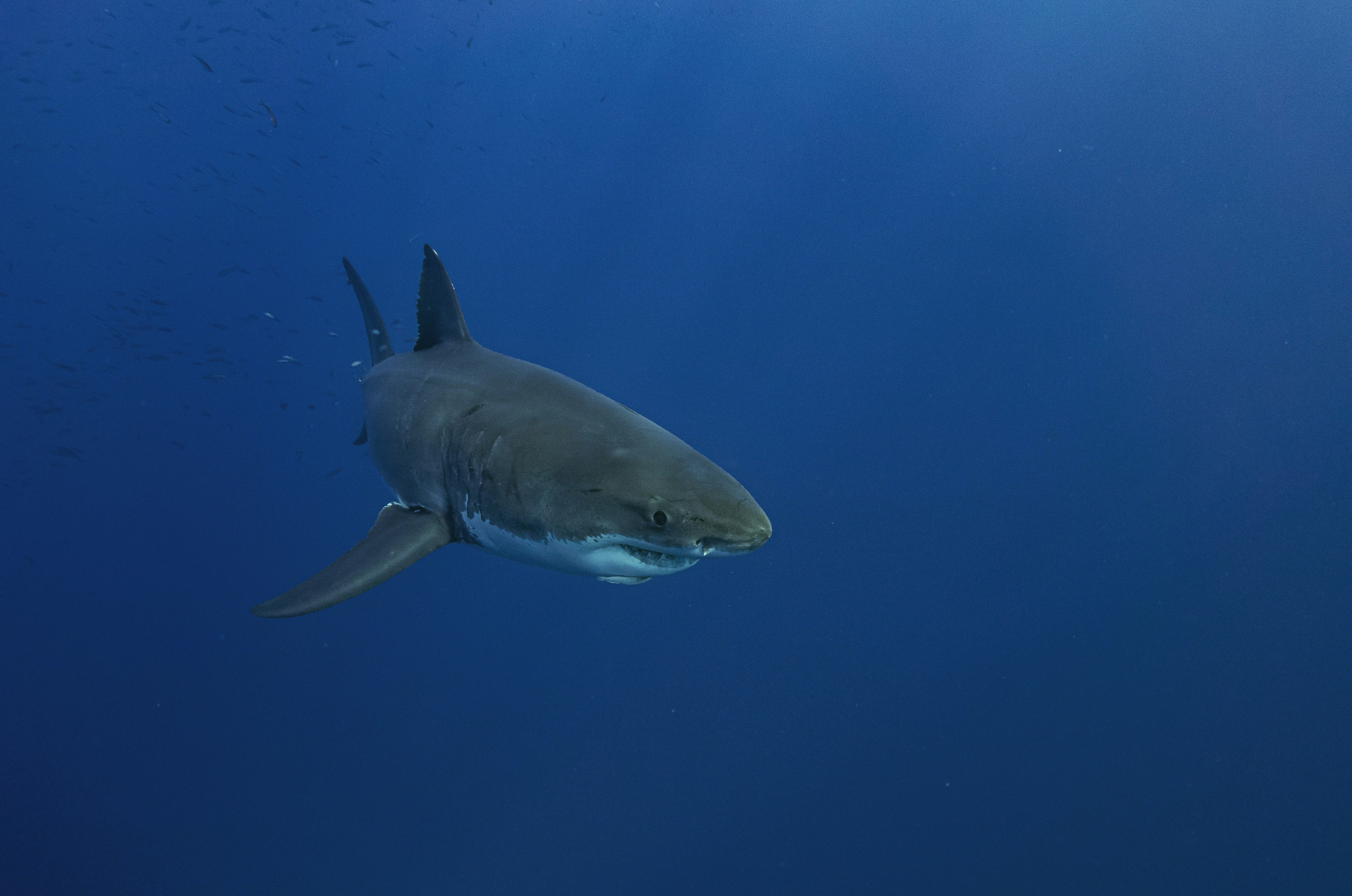
Last week, divers off the coast of Bali had a rare and thrilling encounter with a great white shark, an event that left many in awe—and some in fear. Captured on GoPro by Swedish diver Fabian Clinton, the footage offers a rare glimpse of this apex predator in Indonesian waters. This unexpected sighting in Penida Island’s waters, typically home to reef and thresher sharks, has sparked a debate on how this rare occurrence might impact both tourism and local ecosystems.
A Rare Visit from a Great White
The great white shark, often associated with colder waters, is a rare sight in Bali. This particular shark swam toward a group of divers, captured in a viral video by diver Fabian Clinton. While thrilling, the encounter was more than just an adrenaline rush—it raised questions about the presence of large predators in regions where they are not usually found.
Why Was the Great White in Bali?
Experts suggest that the warm waters around Bali, typically home to smaller sharks, may be becoming a new hunting ground for these apex predators. As global temperatures rise, marine life is being forced to adjust, with species like great whites expanding their range to areas previously deemed unsuitable. For tourists, this could signal a shift in how they experience diving in the region, offering new opportunities but also introducing greater risks.
What This Means for Tourists
Tourists flock to Bali for its diverse marine life and idyllic diving experiences, but the appearance of a great white shark could shift perceptions. While the sharks are not typically aggressive toward humans, their presence in such a popular spot could impact future dive tourism. Divers may feel both excitement and fear—an exhilarating opportunity to see a rare species, but also a reminder of the risks posed by ocean predators.
Environmental Impact
The appearance of a great white shark could also signal changes in the local ecosystem. These sharks are known to play a crucial role in maintaining the balance of marine life by regulating populations of prey species. Their presence could be a sign of a healthier, more balanced marine ecosystem—but also a reminder of the fragility of ocean environments in the face of climate change.
As this rare encounter captures global attention, it’s important to consider both the excitement and the responsibility that comes with interacting with such majestic creatures. For tourists, it’s a reminder of the unpredictable beauty of nature. For environmentalists, it’s an opportunity to advocate for better conservation efforts to protect both marine life and human interests. The great white’s visit to Bali might be a once-in-a-lifetime moment, but it could also be the beginning of a new reality for Bali’s underwater world.