

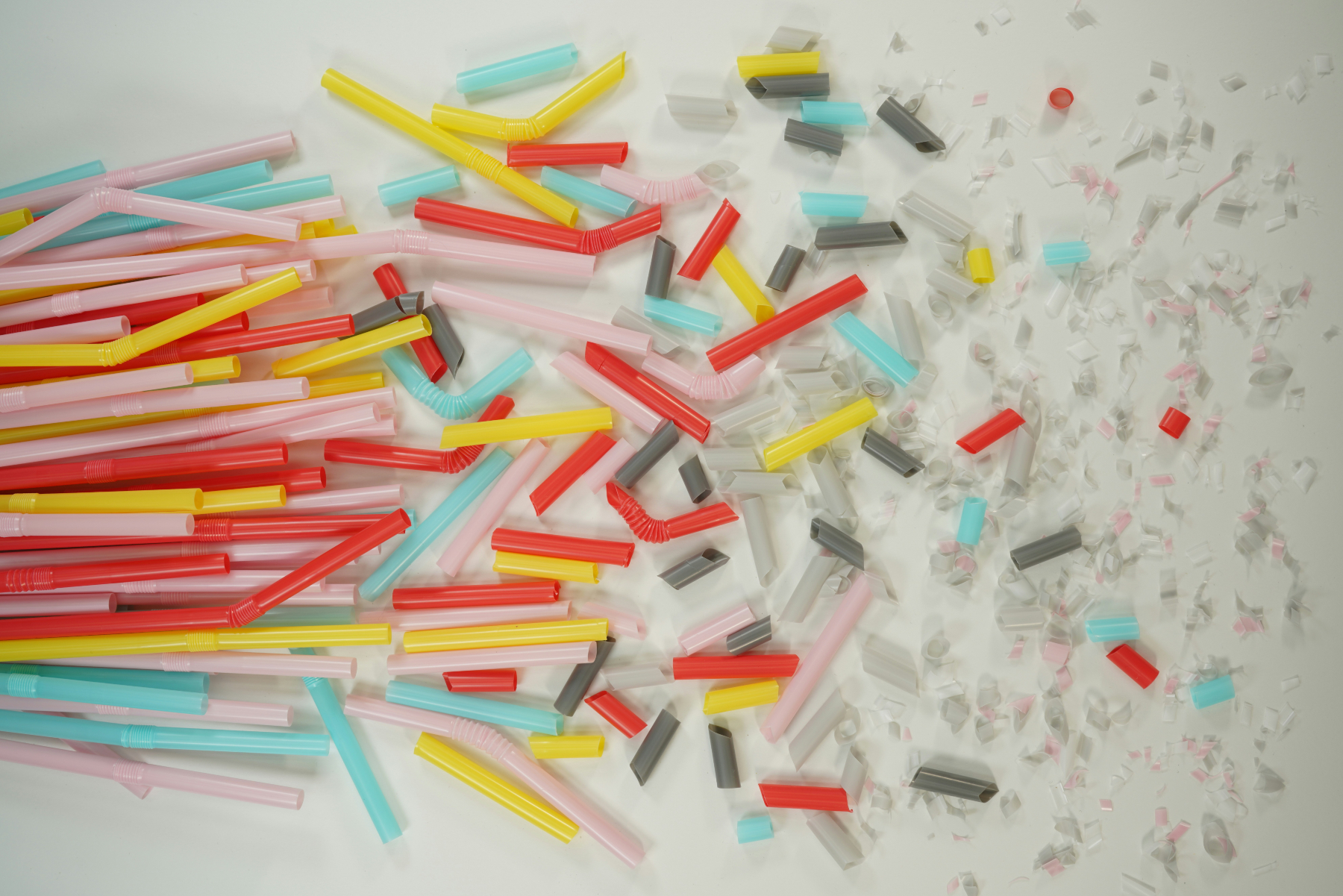
Microplastics—those tiny particles of plastic that have infiltrated nearly every aspect of our world—have long been known to pose a threat to the environment. From oceans to our own bodies, they’re almost impossible to escape. But a new discovery suggests that their impact might be far more alarming than we thought. Research has shown that microplastics are disrupting photosynthesis, the process that fuels life on Earth. This could significantly affect global food security, with estimates showing potential losses of millions of tons of crops and seafood annually.
The Hidden Danger: Microplastics in Photosynthesis
We’ve all heard the term “microplastics” tossed around, but what are they really doing to our planet? A recent study examined the effects of microplastics on photosynthesis, the critical process plants use to convert sunlight into energy. Researchers found that microplastics can reduce photosynthesis rates by up to 18%. While this might seem small, the long-term consequences could be catastrophic.
- Impacts on plants and algae: The study showed that both terrestrial plants and marine algae are affected, with the most significant impacts on chlorophyll levels, which are essential for photosynthesis. In freshwater algae, the reduction in chlorophyll could be as high as 18.25%.
- Crops at risk: This disruption isn’t just affecting plants in the wild. It could severely impact crop yields globally. The research suggests that staple crops like wheat and maize could experience significant reductions in growth, affecting food supplies worldwide.
The Bigger Picture: What This Means for the Environment
The potential environmental implications are huge. Photosynthesis is at the core of the food chain—it supports both plant life and the animals that rely on plants for food. If microplastics continue to disrupt this vital process, we could face a future with compromised ecosystems and diminished food resources.
Here are some key takeaways:
- Food Security: If photosynthesis is less efficient, crop and seafood production could drop significantly. Estimates suggest losses ranging from 109 million to 361 million tons for crops and up to 24 million tons for seafood annually.
- Ecological Health: The impact of microplastics extends beyond food. As primary productivity—the foundation of most ecosystems—is compromised, entire ecological systems could be thrown out of balance.
- A Call for Action: The researchers behind the study urge immediate action to reduce plastic pollution. The more we understand the far-reaching consequences of microplastics, the clearer it becomes that tackling this issue should be a global priority.
The Urgency of the Situation
While these findings are unsettling, they are also a call to action. Understanding the broader consequences of microplastics can motivate stronger policies and personal efforts to reduce plastic use. Until we take significant steps to mitigate this pollution, our planet will continue to pay the price, and the effects could be felt for generations.
What Can We Do?
As consumers and global citizens, it’s vital to recognize our role in the microplastic crisis. Small steps, like reducing single-use plastics, supporting legislation for better waste management, and backing scientific initiatives focused on environmental recovery, can make a difference.
In the fight against microplastics, awareness is key. With more research and a collective effort, we can hopefully mitigate some of the long-term damage caused by these tiny, pervasive pollutants.