

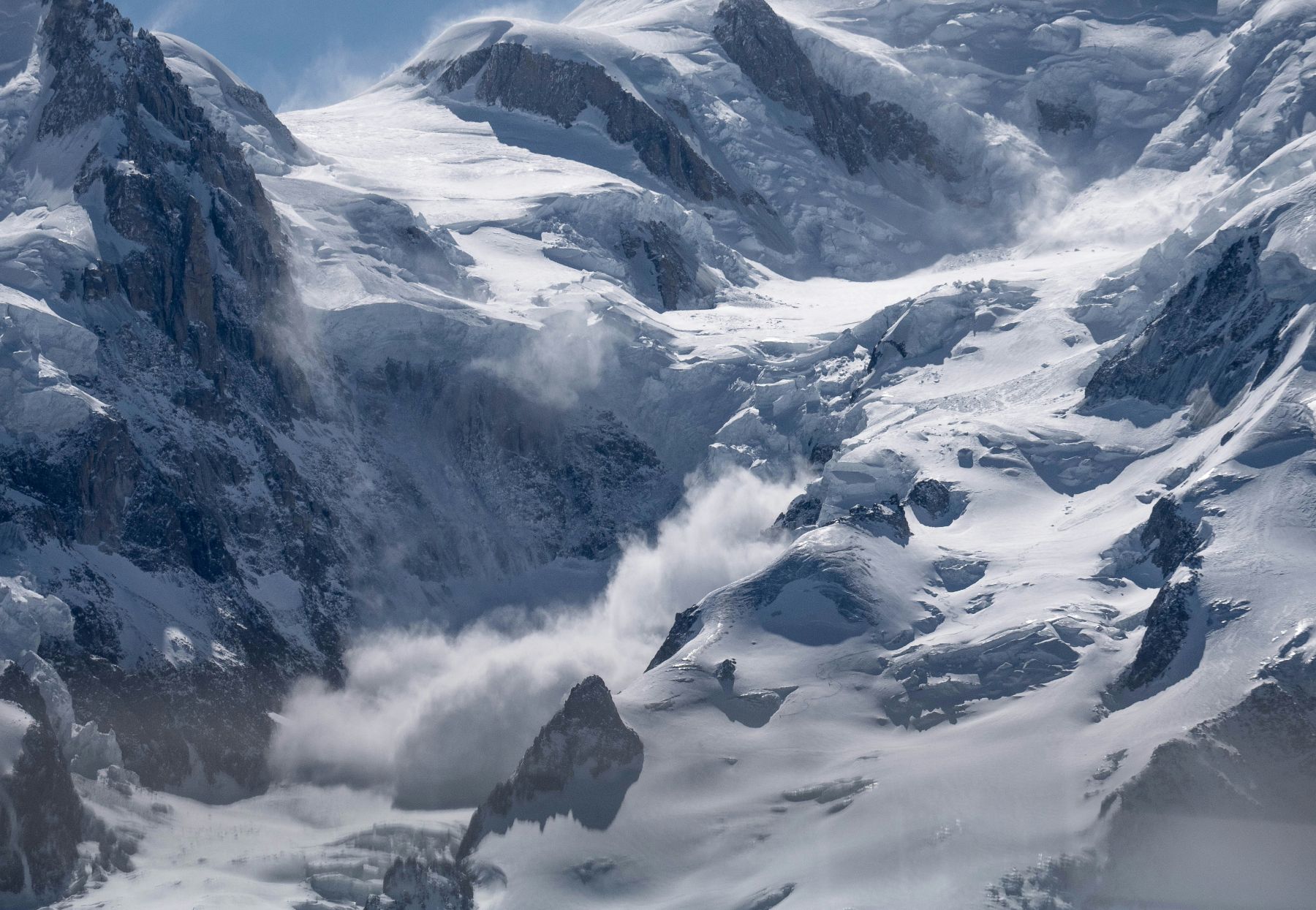
Winter enthusiasts, skiers, and hikers all share a love for the snow-covered mountains, but lurking beneath that winter wonderland is one of nature’s most dangerous and unpredictable forces: avalanches. These deadly natural disasters can occur without warning, sweeping away everything in their path. In fact, reports show that only 10% of people buried in avalanches survive, which makes knowing how to avoid and survive them essential for anyone venturing into snowy terrain. So, what causes avalanches, and how can you protect yourself if one strikes? Let’s dive in.
Why Do Avalanches Happen?
Avalanches occur when a layer of snow collapses and rapidly slides down a mountain slope, carrying everything in its path. While they are commonly associated with skiing or snowboarding accidents, avalanches can happen anywhere there’s significant snow buildup on steep slopes. But what exactly triggers this destructive event?
- Snow Conditions: Avalanches are more likely when there are weak layers of snow beneath the surface. If a heavy snowstorm blankets an area, or if there’s a rapid temperature change (like a warm front), these weak layers may give way under the weight.
- Slope Angle: Most avalanches occur on slopes between 30° and 45°. If the terrain is too steep, the snow won’t settle properly; if it’s too flat, it won’t have enough energy to move.
- Human Impact: Even something as small as a skier carving into a slope can be enough to trigger an avalanche, especially on slopes that are already unstable.
While weather and snow conditions are the primary triggers, even seemingly safe environments can harbor hidden dangers.
The Anatomy of an Avalanche
Once an avalanche begins, it moves rapidly, with speeds that can exceed 80 mph. It’s typically made up of snow, ice, rocks, and other debris that are carried down the mountain with tremendous force. There are different types of avalanches:
- Slab Avalanches: These are the most dangerous and occur when a large, cohesive slab of snow breaks free from the underlying layer.
- Loose Snow Avalanches: These occur when smaller amounts of snow slide down a slope, often triggered by human activity.
In most cases, people get buried under the snow, which can form a solid, nearly impenetrable crust. This creates a deadly situation as victims can be suffocated or immobilized.
How to Survive an Avalanche
Being prepared can mean the difference between life and death. Here are some essential tips to help you survive:
Carry the Right Equipment
- Beacon: A transceiver or avalanche beacon is essential for locating a buried person.
- Probe: A long, collapsible probe helps rescuers search the snow.
- Shovel: Lightweight but sturdy, a shovel can be used to dig through snow to free victims.
- Airbag: Avalanche airbags are designed to help you stay on top of the snow.
Stay Calm and Conserve Energy
If you’re caught in an avalanche, don’t panic. Try to keep your mouth closed and make sure you protect your airway. Position yourself as if you’re swimming, trying to keep yourself afloat in the snow. The more calm and strategic you are, the better your chances of survival.
Create Space
If you’re buried, it’s crucial to try and create a pocket of air around your face as the snow settles. This may give you a chance to breathe until rescuers arrive.
Be Prepared for Rescue
If you’re with a group, and someone is buried, it’s essential to perform a quick rescue. With the right gear, it can be done quickly, but it still requires training and knowledge of avalanche rescue techniques.
Preventing Avalanches: What Can You Do?
While there’s no way to control when an avalanche will happen, you can reduce your risk by following a few safety guidelines:
- Avoid avalanche-prone areas: Stay off slopes greater than 30° when there’s fresh snow or stormy weather. Check local avalanche forecasts for the area.
- Take an avalanche safety course: These courses teach you about snow conditions, avalanche signs, and rescue techniques.
- Monitor weather conditions: Storms can change snowpack conditions rapidly. Be aware of any warnings or advisories issued by local authorities.
Stay Safe and Stay Smart
While avalanches are one of nature’s most dangerous phenomena, knowledge and preparation can help mitigate the risk. Remember, if you’re venturing into avalanche-prone areas, always have the right gear, keep an eye on weather conditions, and be aware of your surroundings. As we’ve seen in recent news, avalanches are a very real threat, but with the right tools and knowledge, survival is possible. Keep safe and respect the power of nature—it’s always better to be over-prepared than to take unnecessary risks.