

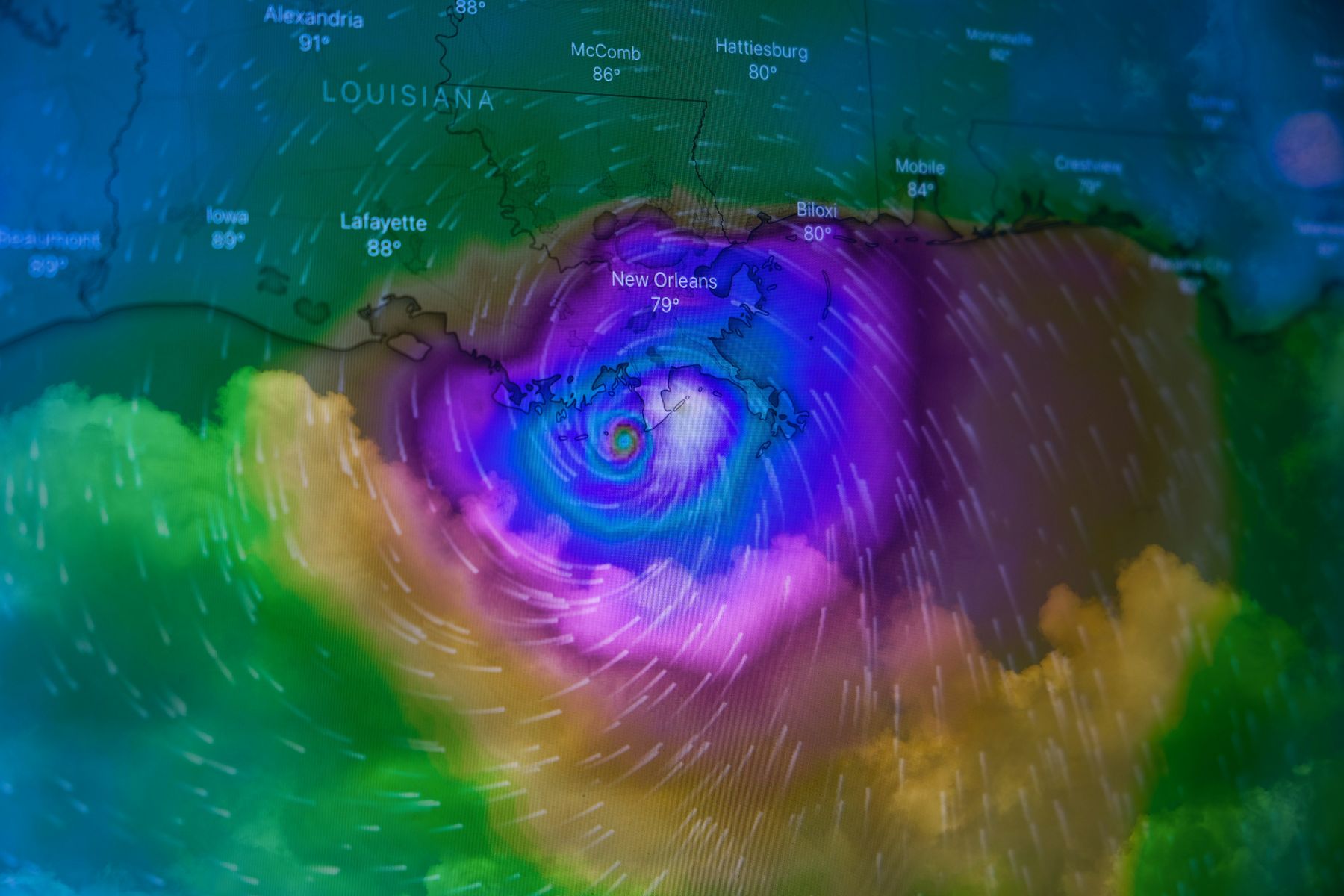
Hurricane season is approaching, and whether you live in a high-risk zone or want to be ready for potential storms, it’s essential to prepare in advance. While no one can predict the exact timing or severity of a hurricane, having a well-thought-out plan can make a world of difference in minimizing damage and ensuring your safety. This guide will walk you through practical steps to take now to protect yourself, your family, and your home before the storm hits.
Why You Should Prepare Now
Hurricane season typically runs from June 1 through November 30, but storms can form outside this timeframe. In recent years, we’ve seen earlier-than-expected storms, making it critical to start preparations as soon as possible. According to the National Hurricane Center (NHC), there is a noticeable increase in the number of tropical storms and hurricanes occurring earlier in the season. These storms can form quickly and intensify, so the earlier you start your preparations, the better.
The accuracy of hurricane predictions has significantly improved, with the National Hurricane Center’s 2024 track forecast performance marking the best in its history. With five landfalls on the U.S. mainland, the forecasts were notably more precise, and the Center’s improvements are evident in their ability to predict tracks 24 hours in advance every decade. In an interview with USA Today, Rick Spinrad, former NOAA administrator, emphasized that today’s 5-day hurricane track forecasts are as accurate as the 3-day predictions were two decades ago, showcasing the remarkable advancements in forecasting technology and research.
The 2025 hurricane season is expected to be slightly above average, with forecasts predicting 15 to 19 named storms and several potentially making landfall. With predictions like this, it’s crucial to be proactive and ready to respond at a moment’s notice.
Create a Comprehensive Emergency Plan
The first step in hurricane preparedness is developing a well-structured emergency plan for your household. This plan should include:
- Evacuation Routes: Identify multiple routes out of your area in case of evacuation orders.
- Emergency Contacts: Ensure that all family members have a list of emergency contacts.
- Pet Safety: Plan how to evacuate pets or provide for them if staying behind.
- Local Shelters: Know the locations of local shelters and what items they may require.
- Communication Plan: Designate a family member to be the primary point of contact if you get separated.
Remember, your plan should be shared with everyone in your household, including kids, so they know what to do when a hurricane watch or warning is issued.
Stock Up on Emergency Supplies
Now is the time to ensure your emergency kit is fully stocked. The Red Cross recommends having enough supplies to last at least three days, but ideally up to a week, especially if you live in a storm-prone area. Your kit should include:
- Water (one gallon per person per day)
- Non-perishable foods like canned goods, energy bars, and dried fruit
- First aid kit
- Flashlights and batteries
- Portable phone chargers
- Battery-powered radio for weather updates
- Prescriptions and personal medications
- Cash (ATM machines may not be working after a storm)
- Blankets and warm clothing (in case of power outages)
If you’re in an area where power outages are common during hurricanes, it’s also wise to have backup power sources, such as a portable generator or extra fuel.
Strengthen Your Home
Protecting your home from the storm’s force is crucial. There are several steps you can take to reduce the risk of damage:
- Install storm shutters or use plywood to cover windows and doors.
- Clear gutters and downspouts to prevent water buildup and flooding.
- Secure outdoor furniture or bring it inside to prevent it from becoming a flying hazard.
- Check your roof for loose tiles or shingles that might be blown away in high winds.
Experts suggest inspecting your home before each hurricane season to make necessary repairs early, reducing the likelihood of more significant damage during the storm.
Understand the Warning System
Understanding the difference between a hurricane watch and a hurricane warning can be the key to timely action. A hurricane watch means that hurricane conditions are possible within the next 48 hours, while a hurricane warning means the storm is expected to make landfall within 36 hours.
Stay up-to-date with reliable sources such as the National Weather Service or the NHC for the latest forecasts and alerts. Keeping track of storm developments via a battery-powered weather radio, app, or TV can give you valuable time to act.
Know When to Evacuate
In some cases, evacuation may be necessary to save your life. It’s vital to heed official evacuation orders from local authorities. Early evacuation is crucial to avoid getting stuck in traffic or missing the window for safe departure.
If you live in a flood zone, know your local evacuation routes and the location of nearby shelters. Don’t wait until the last minute—get out early if advised to do so. Remember to take your emergency kit, important documents, and medications with you.
Prepare for the Worst, Hope for the Best
While it’s impossible to predict when and where a hurricane will strike, thorough preparation can make all the difference. From creating an emergency plan to securing your home and stocking up on supplies, these steps will help ensure that you are ready for whatever comes your way. Remember, your safety is the top priority—take these actions seriously to protect yourself, your loved ones, and your property.